The Sixth Floor Museum at Dealey Plaza: A Adventure Through Historic Moments
The Sixth Floor Museum at Dealey Plaza functions as a crucial place for grasping the assassination of President John F. Kennedy. Positioned in the former Texas School Book Depository, it houses crucial exhibits that deliver context to that devastating day. Visitors come across a combination of historical artifacts and interactive presentations. As they explore the museum, questions about JFK's persistent legacy and his impact on American society naturally emerge. What insights might they uncover?
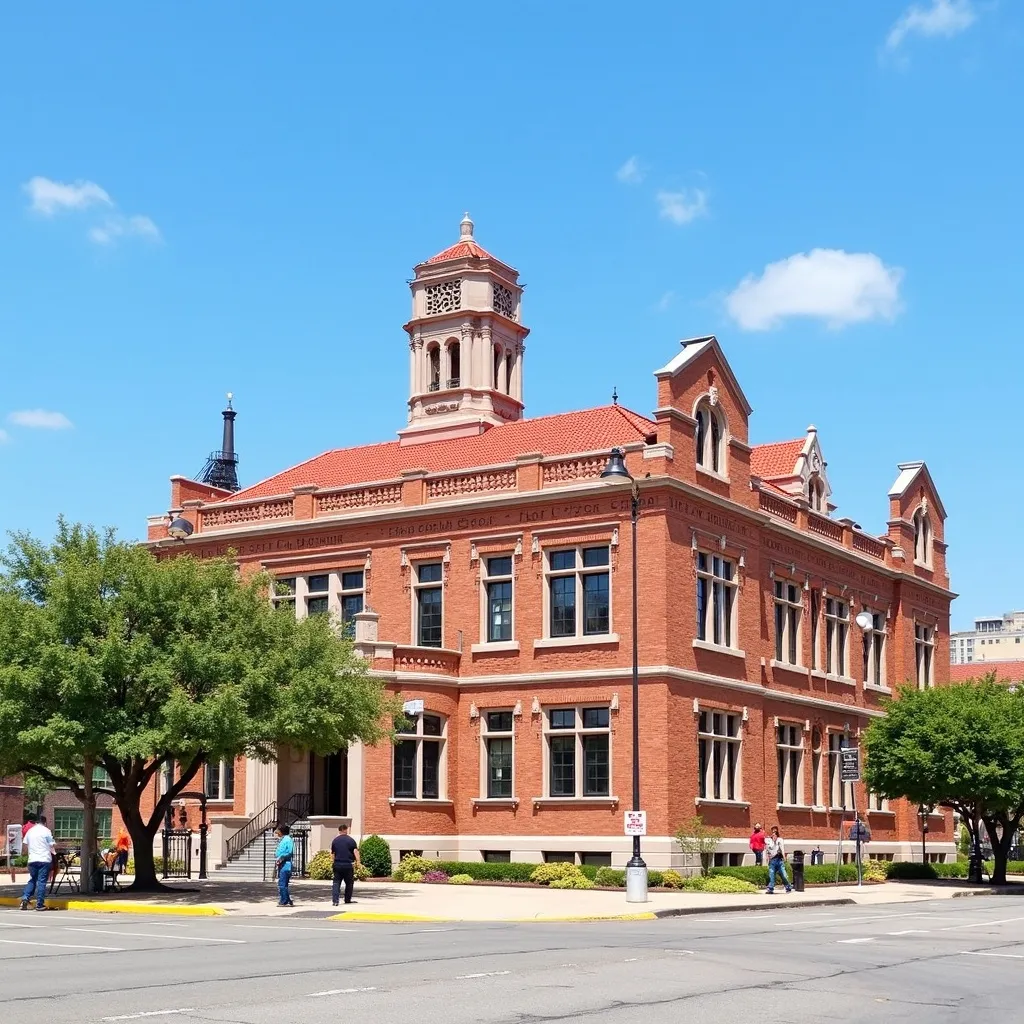
The Historical Role of Dealey Plaza
Although frequently acknowledged for its sorrowful connection with the killing of President John F. Kennedy, Dealey Plaza possesses a profound historical importance that goes beyond this pivotal moment. Located in Dallas, Texas, the plaza was created in the early 20th century and demonstrates the architectural aspirations of the time. It functioned as a primary hub for civic life, hosting multiple public events and gatherings, establishing it as a focal point in the city's development.
The interplay of contemporary and historical components is observable in the surrounding buildings, which feature the erstwhile Texas School Book Depository. This venue, now the Sixth Floor Museum, illuminates the circumstances of November 22, 1963. Dealey Plaza is far beyond just a place of grief; it has become an icon of transition, conveying the turbulent social and political conditions of the timeframe. Its value as a gathering place remains to attract visitors seeking to understand its complex legacy.
Guest Details: Schedule, Passes, and Wheelchair Access
The Sixth Floor Museum at Dealey Plaza receives visitors year-round, offering a range of hours to accommodate different schedules. Typically, the museum operates from 10 AM to 5 PM, with extended hours during peak seasons. Tickets can be purchased online or at the museum entrance, with discounts available for students, seniors, and groups. It is advisable to buy tickets in advance, especially during busy periods.
Accessibility is a fundamental concern at the museum. The facility is outfitted with ramps and elevators, guaranteeing that all visitors, including those with mobility challenges, can traverse the exhibits comfortably. Additionally, the museum supplies assistive listening devices and materials in large print for those who need them. With its dedication to inclusivity, the Sixth Floor Museum endeavors to make the visit enriching for everyone, allowing all visitors to connect with the historical significance of the site.
How Does This Location Figure Into JFK's Story?
An important component of John F. Kennedy's account, the Sixth Floor Museum at Dealey Plaza presents a emotional memento of the chaotic events involving his assassination on November 22, 1963. This place is where Lee Harvey Oswald released the fatal shots that reshaped the course of American history. Positioned in the Texas School Book Depository, the museum not only celebrates JFK's influence but also analyzes the broader effects of his presidency and the era's political landscape. The plaza has developed into a symbol of both tragedy and transformation, embodying the nation's collective grief and the questions that persisted in the aftermath. By safeguarding artifacts and narratives from that fateful day, the museum promotes reflection on the impact of Kennedy's leadership and the profound loss felt across the United States. Consequently, Dealey Plaza stands as a critical site for understanding the complexities of JFK's life and legacy.
Key Attractions: What to Explore at The Sixth Floor Museum
At the Sixth Floor Museum, guests are able to discover a range of exhibits that vividly illustrate the events surrounding JFK's assassination and his enduring legacy. Among the important displays is the famous sniper's perch, which provides insight into the viewing location from which Lee Harvey Oswald fired. Historical photographs and documents chronicle the day of the assassination, enabling visitors to witness the moment as it unfolded. Additionally, the museum showcases personal artifacts belonging to Kennedy, highlighting his presidency and life. Visitors can interact with displays that examine the effect of his death on the nation and the world, emphasizing themes of hope and change. Each exhibit serves to deepen the understanding of JFK's impact and the deep national mourning following his death, making the museum a poignant memorial to a pivotal moment in American history.
Multimedia Exhibits and Objects to Explore
While visiting the Sixth Floor Museum, guests experience a extensive range of interactive media that enhance the narrative of JFK's life and assassination. These dynamic exhibits include visual content, audio content, and hands-on exhibits that immerse guests to key events in history. Importantly, a chronological sequence related to the assassination facilitates a greater comprehension of the background and significance of that tragic moment in 1963.
Items like original newspaper headlines, personal letters, and photographs further engage visitors, providing direct ties to the past. The museum's dedication to showcasing varied viewpoints is apparent in its thoughtfully selected content, which features first-hand accounts and scholarly analyses. In union, these visual and audio components alongside historical objects produce an immersive experience, encouraging guests to contemplate not only JFK's legacy but also the broader impact of his presidency on American history. This careful blending of technology and historical materials fosters a deeper appreciation for the complexities of the era.
Insights From Guided Tours and Educational Programs
In what ways do guided tours and educational offerings enhance the visitor encounter at the Sixth Floor Museum? These undertakings supply structured, insightful inquiries of the museum's rich historical framework. Informed guides shepherd visitors through pivotal moments in American history, building narratives that connect artifacts with their larger significance. This narrative strategy develops a intense emotional engagement, as participants gain perspectives that encourage critical thinking.
Educational ventures including lectures and workshops further enrich the experience by offering expert insights into specific themes such as the influence of journalism on public perception during the 1960s. By facilitating discussions and prompting inquiry these programs foster an dynamic educational environment.
Reflections on JFK's Legacy and Impact on America
The legacy of John F. Kennedy molds American politics and culture, illustrating his conception for a more equitable society. His presidency initiated significant shifts, affecting both legislative decisions and societal attitudes. As the nation tackles ongoing shifts, JFK's impact remains a focal point for discussion and analysis.
Long-term Influence on Political Systems
Although John F. Kennedy's time as president was The Sixth Floor Museum at Dealey Plaza TX interrupted, his sway over American politics remains considerable. His concept of a "New Frontier" galvanized a body of citizens to engage in public service and seek innovative reforms. Kennedy's backing for civil rights, in spite of hesitant beginnings, constituted a major realignment in national discourse, laying groundwork for subsequent legislation. His commitment to addressing planetary issues, demonstrated through the Peace Corps, reinforced a responsibility to worldwide collaboration. The values he championed, encompassing social justice and economic equality, continue to resonate throughout contemporary political discourse. In addition, the catastrophe of his assassination galvanized public sentiment, reconfiguring the political landscape and prompting serious reflection on leadership and governance in America. JFK's legacy endures, determining political aspirations to this day.
Cultural Transitions and Transformation
Kennedy's presidency not only shaped political aims but also sparked significant cultural transformations across America. His perspective of a "New Frontier" inspired a demographic, stressing civil rights, space exploration, and social progress. The confidence of the early 1960s fostered a sense of collective identity, prompting young Americans to engage with concerns such as equality and civic responsibility. Additionally, Kennedy's charisma and eloquent speeches resonated deeply, influencing popular culture and media portrayals of leadership. The tragic assassination in 1963 intensified this cultural effect, strengthening his status as a symbol of hope and change. As a outcome, Kennedy's legacy continues to generating reflection on American values and aspirations, prompting ongoing discussions about the nation's direction and the importance of civic engagement.
Commonly Asked Questions
Can I photograph Photographs Inside the Sixth Floor Museum?
Picture-taking inside the museum is generally restricted to safeguard the exhibits and show respect for the memorial setting. Visitors should consult specific guidelines upon arrival, as policies may change for special events or exhibitions.
Are there any age limitations for visitors?
There are no set age restrictions for visitors. The museum receives guests of any age, encouraging parents and kids to explore its exhibits and understand the historical value of the venue.
Does the Museum Authorize Consumables?
Consumables are prohibited inside the museum to maintain the integrity of the exhibits and ensure a respectful environment for all guests. Guests are advised to enjoy refreshments in marked areas outside.
How extended Does a Typical Appointment Last?
A typical trip to the museum takes roughly one to two hours. Visitors often explore exhibits, interact with multimedia displays, and absorb historical context, making the experience both educational and reflective for each individual.
Do any distinctive gatherings or initiatives take place throughout the year?
The museum coordinates different special events and programs yearly, including lectures, exhibitions, and commemorative activities, created to fascinate visitors and enhance their comprehension of history and its significance to the Dallas community.